
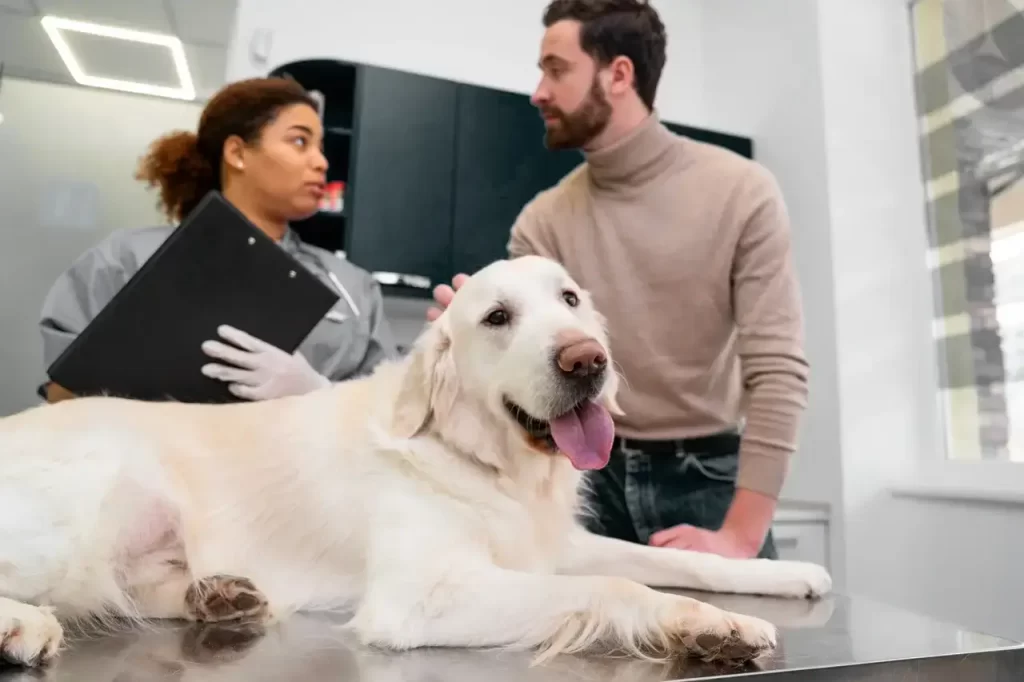
Welcoming a new furry family member is an exciting moment filled with joy, anticipation, and, naturally, a touch of nervousness. For new pet owners, one of the most critical early milestones is the first vet visit. This initial appointment sets the stage for your pet’s long-term health and happiness. Knowing what to expect, how to prepare, and why this visit is important will ensure a positive experience for both you and your pet.
Here’s your ultimate guide to making your pet’s first veterinary appointment smooth, informative, and stress-free.
When Should You Schedule the First Vet Visit?
Timing the first vet visit correctly is vital. Ideally, you should schedule your pet’s initial appointment shortly after bringing them home.
- For puppies and kittens: Schedule the first visit within the first week of adoption, typically around 6-8 weeks of age.
- For adult pets: Book an appointment within a few days of adoption to promptly address any underlying health concerns.
This early appointment enables your veterinarian to create a baseline for your pet’s health, allowing for prompt action on any early-stage issues.
Start your pet’s journey with experienced vets in Brampton
How to Prepare for Your Pet’s First Vet Visit
To get the most from your appointment, preparation is key. Here’s a simple checklist to help you organize:
Gather important information:
- Medical history from the breeder or shelter
- Details about vaccinations or treatments already administered
- Any observed behavior or symptoms of concern
Prepare questions:
- Diet recommendations
- Vaccination schedules
- Parasite prevention
- Behavioral tips and training recommendations
Practical preparations:
- Familiarize your pet with their carrier or leash beforehand
- Bring treats or comfort items to reduce anxiety
- Arrive early to complete paperwork without feeling rushed
What to Expect During the Appointment
Knowing what happens during the first vet visit reduces anxiety and ensures you’re prepared for each step:
Health History Discussion
Your veterinarian will start by reviewing your pet’s history, lifestyle, and your observations about their health and behavior. Honesty and thoroughness here are essential.
Physical Examination
A comprehensive physical exam typically includes:
- Checking vital signs (heart rate, respiration, temperature)
- Examining eyes, ears, and mouth
- Feeling for any abnormal lumps or tenderness
- Inspecting skin and coat condition
- Evaluating joints and mobility
This thorough check helps detect any immediate health concerns and establishes a health baseline for future comparisons.
Vaccinations and Parasite Control
Your vet will discuss necessary vaccinations and parasite control measures based on your pet’s age, lifestyle, and local risks.
Common vaccinations include:
- Dogs: Rabies, Distemper, Parvovirus, Bordetella (Kennel Cough)
- Cats: Rabies, Feline Distemper (Panleukopenia), Feline Leukemia Virus (FeLV)
Parasite prevention typically covers fleas, ticks, heartworms, and intestinal parasites.
Diagnostic Tests
Your vet might recommend diagnostic tests to detect issues invisible to the naked eye:
- Fecal examination: Checks for internal parasites.
- Blood tests: Screen for underlying health conditions or infections.
- Heartworm tests: Essential, particularly in dogs and cats adopted from shelters or rescues.
These tests proactively identify potential health threats, allowing for timely intervention.
Addressing Behaviour and Training Concerns
Behavioural health is just as crucial as physical health, particularly in young animals adjusting to their new homes. Common topics you might cover include:
- House training or litter box training
- Socialization strategies
- Addressing biting, scratching, or chewing habits
- Managing anxiety or separation stress
Your veterinarian will offer guidance tailored to your pet’s personality, breed, and age.
Cost and Pet Insurance Considerations
Understanding veterinary expenses can help prevent surprises. A first vet visit typically ranges between $50 to $250, depending on location, tests, and vaccinations provided. Pet insurance can significantly offset these costs.
Real-world example: A recent survey indicated that pet owners spend approximately $1,480 annually on veterinary care per dog and $900 per cat. Pet insurance typically covers 70% to 90% of these costs, significantly easing financial stress.
Discuss available insurance options with your vet during the initial appointment.
Follow-Up Care and Scheduling Future Visits
Your veterinarian will outline a schedule for future visits, including vaccination boosters, spaying/neutering recommendations, dental care, and routine health check-ups.
Regular veterinary visits ensure:
- Early detection of health problems
- Effective management of chronic conditions
- Optimal nutrition and preventative care
Reducing Stress for You and Your Pet
Vet visits don’t need to be stressful. Here’s how to make the visit enjoyable:
- Positive reinforcement: Use treats and praise generously during and after the visit.
- Stay calm: Pets sense their owner’s emotions—remain relaxed and comforting.
- Socialize early: Familiarize your pet with car rides and carrier use before the visit.
Imagine your pet’s first vet visit as their first day of school. A little preparation goes a long way toward a positive experience and sets the foundation for lifelong health.
Common Mistakes to Avoid
To ensure a successful first visit, avoid these common mistakes:
- Delaying the first visit: Early visits catch potential health problems before they escalate.
- Skipping parasite prevention: Early parasite prevention protects your pet and your household.
- Ignoring vaccination schedules: Timely vaccinations protect against life-threatening diseases.
Avoiding these pitfalls ensures a healthier, happier pet and reduces future veterinary expenses.
Conclusion: Setting the Foundation for Lifelong Health
Your pet’s first veterinary visit is the cornerstone of their long-term health and well-being. Proper preparation, understanding what to expect, and actively participating in the discussion will make this experience rewarding and reassuring.
By scheduling timely visits, addressing early health concerns, and establishing preventive care, you’ll give your pet the healthiest start possible. Remember, a proactive approach leads to fewer health issues, fewer vet visits, and more happy, healthy years together.
At MC Queen Animal Hospital, we’re dedicated to providing personalized, compassionate veterinary care. Our experienced team ensures your pet’s first visit is comfortable, informative, and reassuring. Together, we’ll set your pet on a path to lifelong wellness.
Get 50% OFF on exam fee for New Clients at Mc Queen animal hospital
Connect with us