
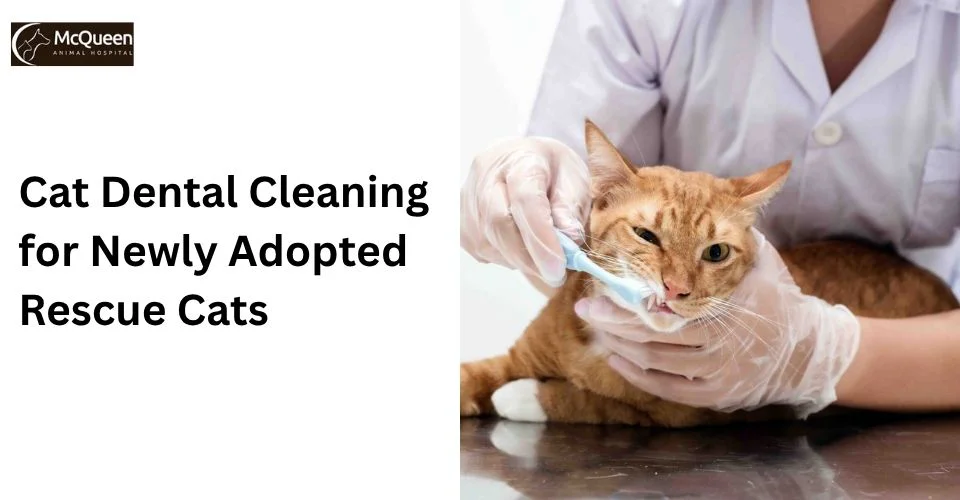
When you adopt a rescue cat, you’re not just giving them a home, you’re also taking responsibility for their long-term health. One of the most commonly overlooked areas in feline care is dental health. Many newly adopted cats arrive with untreated plaque buildup, gum disease, or bad breath that signals deeper oral issues.
In Brampton, professional veterinary services are increasingly focused on preventive dental care for cats, especially rescues. Clinics associated with McQueen emphasize early dental cleaning as part of a full wellness reset after adoption. This step is essential because oral disease in cats often develops silently and can quickly affect overall health if ignored.
Why Cat Dental Cleaning Is So Important
Dental health in cats is directly connected to their overall well-being. Unlike humans, cats rarely show obvious signs of oral pain until the condition becomes severe.
Key reasons dental cleaning matters:
- Prevents plaque and tartar buildup
- Reduces risk of gum disease (gingivitis and periodontitis)
- Helps avoid tooth loss in adult and senior cats
- Improves appetite and chewing comfort
- Reduces bacteria that can affect heart, liver, and kidneys
For newly adopted rescue cats, dental cleaning is often the first major health intervention recommended by veterinarians.
Cat Dental Cleaning in Brampton: What to Expect
When visiting a vet clinic in Brampton, dental cleaning for cats is typically performed under safe anesthesia to ensure a thorough and stress-free procedure.
Typical process includes:
- Full oral examination before cleaning
- Dental X-rays (if needed) to check below gum line
- Removal of tartar using ultrasonic scaling tools
- Polishing teeth to smooth enamel surfaces
- Flushing of gums to remove bacteria
- Post-cleaning recovery and pain management if required
Veterinary clinics in Brampton prioritize safety and use modern monitoring systems during anesthesia to ensure your cat’s comfort.
Why Rescue Cats Often Need Immediate Dental Care
Newly adopted rescue cats often come from uncertain backgrounds where dental care may have been neglected. This makes early evaluation essential.
Common dental issues in rescue cats:
- Heavy tartar buildup
- Gingivitis (inflamed gums)
- Broken or decayed teeth
- Bad breath caused by bacterial infection
- Difficulty eating dry food
Without treatment, these issues can worsen quickly and lead to chronic pain or systemic infections.
Cat Dental Cleaning for Newly Adopted Cats
If you’ve recently adopted a cat, dental care should be part of your initial veterinary checklist. Early intervention helps prevent long-term complications.
Recommended steps after adoption:
- Schedule a full veterinary check-up within the first week
- Request a dental examination
- Assess gum condition and breath odor
- Plan professional cleaning if plaque or tartar is present
- Follow up with home dental care routine
Early dental cleaning helps reset your cat’s oral health and improves their comfort in their new home.
Benefits of Early Dental Cleaning for Rescue Cats
Starting dental care early provides long-term advantages that go beyond oral hygiene.
Key benefits:
- Faster adjustment to new diet and environment
- Reduced risk of chronic infections
- Improved energy and behavior
- Better breath and oral comfort
- Prevention of expensive dental surgeries later
A healthy mouth often leads to a happier and more active cat overall.
How Vet Clinics in Brampton Approach Feline Dental Care
Veterinary clinics in Brampton follow structured protocols to ensure safe and effective dental treatment for cats.
Standard care approach includes:
- Pre-anesthetic blood testing for safety
- Customized anesthesia dosage based on weight and age
- Advanced dental scaling equipment
- Pain management during and after procedure
- Post-care instructions for pet owners
Clinics associated with McQueen focus on gentle handling, especially for rescue animals who may already be stressed or anxious.
Signs Your Cat May Need Dental Cleaning
Even without a full exam, certain signs can indicate that your cat needs professional dental care.
Watch for these symptoms:
- Persistent bad breath
- Drooling or pawing at the mouth
- Difficulty chewing or dropping food
- Red or swollen gums
- Yellow or brown buildup on teeth
- Reduced appetite or weight loss
If you notice any of these signs in a newly adopted cat, a veterinary dental check is strongly recommended.
Preventing Dental Problems at Home
While professional cleaning is essential, home care also plays a role in maintaining oral health.
Simple at-home care tips:
- Brush your cat’s teeth using pet-safe toothpaste
- Provide dental treats approved by vets
- Offer dry kibble that helps reduce plaque
- Schedule regular veterinary check-ups
- Monitor breath and eating habits regularly
Consistency is key, small daily care steps can significantly reduce future dental issues.
Why McQueen-Focused Veterinary Care Matters
McQueen-associated veterinary care emphasizes preventive health and early intervention, especially for vulnerable pets like rescue cats.
Their approach focuses on:
- Early detection of dental disease
- Stress-free treatment environments
- Customized care plans for adopted pets
- Education for new pet owners
- Long-term wellness monitoring
This ensures that newly adopted cats receive not just treatment, but ongoing support for healthier lives.
Final Thoughts
Cat dental cleaning is one of the most important yet overlooked aspects of feline health, especially for newly adopted rescue cats. In Brampton, veterinary clinics are increasingly prioritizing preventive dental care to ensure pets live healthier, pain-free lives.
If you’ve recently adopted a cat, scheduling a dental evaluation should be one of your first steps. Early cleaning not only improves oral hygiene but also helps your cat adjust comfortably to their new home.
With attentive care from clinics connected to McQueen, your rescue cat can transition into a healthier, happier life, starting with a clean and pain-free smile.