
Introduction
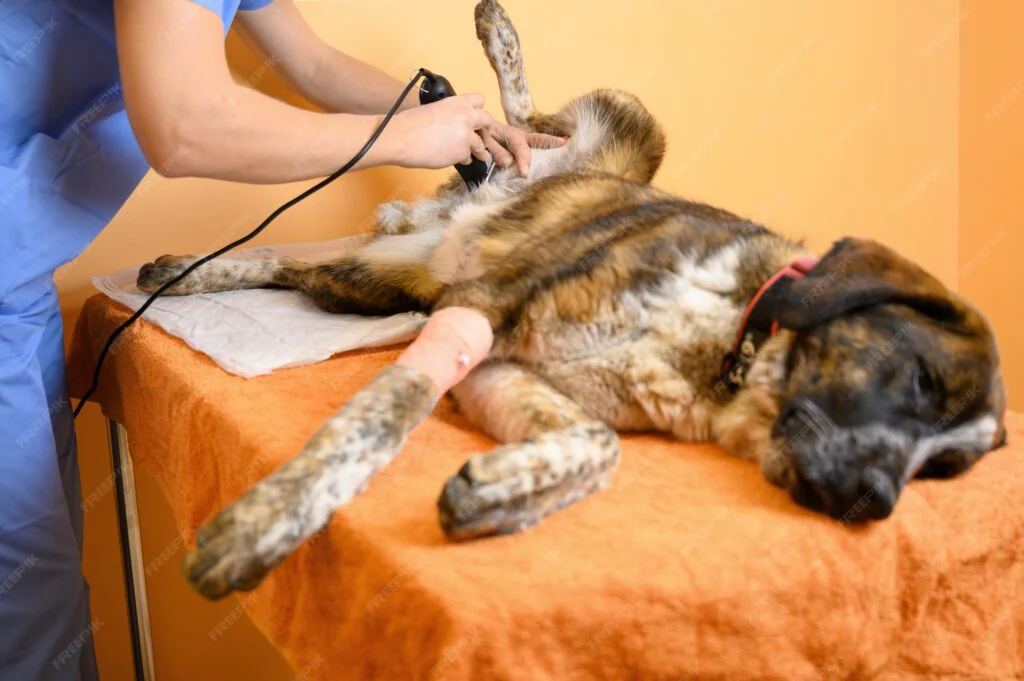
Spaying and neutering are among the most important medical decisions pet owners make early in their pet’s life. While these procedures are widely recommended, modern veterinary medicine no longer follows a strict “one age fits all” approach.
Today, the decision is more nuanced. Factors such as breed, adult size, sex, growth patterns, and lifestyle all influence the ideal timing.
At McQueen Animal Hospital in Brampton, we take an individualized, evidence-based approach to help pet owners make the best decision for their pet’s long-term health.
Why Spay and Neuter is Important
Spaying and neutering are not just about preventing unwanted litters. These procedures have significant health, behavioral, and quality-of-life benefits.
In female pets, spaying eliminates the risk of pyometra and significantly reduces the risk of mammary tumors, especially when performed early. In male pets, neutering eliminates the risk of testicular cancer and may reduce roaming, marking, and hormone-driven behaviors.
Recommended Age for Spay and Neuter
The ideal age depends on your pet’s size, breed, and lifestyle:
- Small Breed Dogs (<20 lbs): 5–6 months
- Medium Breed Dogs (20–45 lbs): 6–9 months
- Large Breed Dogs (45–90 lbs): 9–15 months (individualized)
- Giant Breed Dogs (>90 lbs): 12–18 months (individualized)
- Cats: 4–5 months
Special Considerations for Large Breed Dogs
In some large and giant breeds, early spay/neuter may be associated with orthopedic conditions and certain cancers. However, this is not universal.
The decision should always be individualized based on breed, sex, and lifestyle.
Benefits of Spaying Female Pets
- Prevents pyometra
- Reduces mammary tumor risk
- Eliminates heat cycles
- Prevents unwanted pregnancy
Benefits of Neutering Male Pets
- Eliminates testicular cancer risk
- Reduces roaming and marking
- Helps manage prostate disease
- May reduce hormone-driven behaviors
Common Myths About Spay and Neuter
Myth: My pet should have one litter first
There is no proven medical benefit to allowing a pet to have one litter. In fact, early spaying significantly reduces the risk of mammary cancer. Pregnancy also carries risks such as difficult birth, infections, and complications. From a medical standpoint, this practice offers no advantage.
Myth: Surgery changes personality
Spaying or neutering does not change your pet’s core personality. It only reduces hormone-driven behaviors such as roaming or marking. Your pet’s affection, playfulness, and bond with you remain the same.
Myth: Pets will gain weight
Weight gain is not caused by the surgery itself. After spay/neuter, metabolism may decrease slightly, but with proper portion control, diet adjustment, and exercise, pets can maintain an ideal body weight.
Myth: Large dogs must always wait
There is no universal rule. While some large breeds may benefit from delayed timing, decisions should be individualized based on breed, lifestyle, and risk factors.
FAQs’
Why is spaying or neutering important?
It helps prevent serious diseases such as pyometra and certain cancers, reduces unwanted behaviors, and prevents unplanned litters.
What is the best age for small dogs?
Typically around 5–6 months, as they mature earlier and have lower orthopedic risk.
What is the best age for large dogs?
Usually between 9–15 months, but this should be tailored to the specific breed and lifestyle.
When should cats be spayed?
Around 4–5 months of age, before they reach sexual maturity.
Why are large breeds different?
They have longer growth periods and may be more sensitive to early hormonal changes affecting joints and development.
Book a Consultation
If you are unsure about the best time to spay or neuter your pet, our team at McQueen Animal Hospital in Brampton is here to help. We provide personalized recommendations based on your pet’s breed, size, and lifestyle.